

خرید و دانلود نسخه کامل کتاب زبان اصلی Women’s Property Rights Under CEDAW PDF | دانلود کتاب خارجی
قیمت اصلی 3,799,000 تومان بود.3,149,000 تومانقیمت فعلی 3,149,000 تومان است.
تعداد فروش: 60
نویسندگان: José E. Alvarez, Judith Bauder
زمان تحویل: حداکثر 24 ساعت

آنتونی رابینز میگه : من در 40 سالگی به جایی رسیدم که برای رسیدن بهش 82 سال زمان لازمه و این رو مدیون کتاب خواندن زیاد هستم.
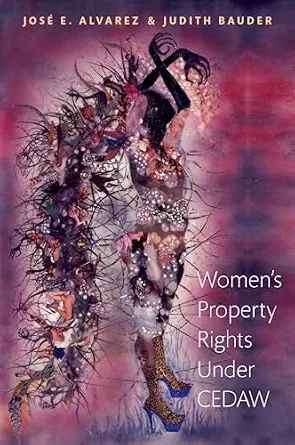
The gender gap with respect to wealth and property is a chasm. For over 40 years, the leading international treaty body on women’s rights, the Committee on the Elimination of All Forms of Discrimination Against Women (the CEDAW Committee), has been generating jurisprudence interpreting CEDAW’s obligations that states protect the equal rights of women in relationships; family rights, including inheritance; rights to land, adequate housing, financial credit, social benefits, intellectual property, and other economic rights dependent on equal access to justice.This book uses the CEDAW Committee’s own texts: its General Recommendations, Views in response to communications, Concluding Observations in response to State reports, and Reports on Inquiries. The book finds that CEDAW’s vision of what it means for women to have equal rights to property is dramatically different from what many scholars consider to be the leading source of “the international law of property,” namely the case law generated on behalf of foreign investors’ property under the international investment regime. CEDAW’s vision is also more far-reaching and nuanced than the gender equality approaches followed by international financial institutions like the World Bank, whose gender equality rhetoric exceeds its actual on-the-ground development efforts.While CEDAW’s property rights converge with those protected under other international human rights regimes, they remain unique in addressing the underlying patriarchal structures, stereotypes, and forms of intersectional discrimination that have undermined the fundamental rights of women and girls and led to their continued impoverishment all around the world. This book concludes that CEDAW’s re-engendering of property–although a flawed and evolving work in progress–has the potential to be transformative for the half of the planet who is more likely to be treated as property than to have any.
نقد و بررسیها
هنوز بررسیای ثبت نشده است.